Convert Any Text into a Scannable QR Code
Text QR codes offer a quick and efficient way to share plain text messages with a simple scan. You can use it in a number of different ways, such as:
- Providing instructions
- Sharing passwords
- Sending a note
Keep reading to learn how to make communicating easier with text-based QR solutions for your business, whatever your sector or product is.
How To Use QRNow’s Text QR Code Generator
Creating a text QR code is quick and easy with our QR code generator. Follow these simple steps to start sharing your messages today:
-
Write your text
Decide on the message or information you want to provide. For example, you can share instructions, a contact note, a password, or any type of short text.
-
Type in your details
Open our QR code generator and input your text into the corresponding field. You can also add optional details like a title or short description to give even more context.
-
Customize and download
Choose your own color, style, or logo to make your QR code unique and recognizable. Once it’s ready, download your text QR code in high resolution to start sharing immediately.
How does a text QR code work when scanned?
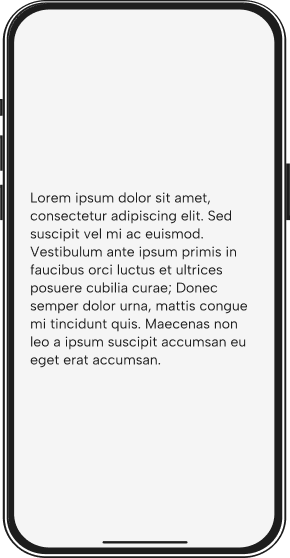
When someone scans a text QR code, the device instantly decodes the information stored within it and displays the message on the screen. Since the text is embedded directly into the QR code, it doesn’t require an internet connection to appear.
Depending on the device or scanning app, the text may show as a pop-up message, a preview within the camera interface, or a simple text screen. Users can then read, copy, or save the message for later use, making it a quick and reliable way to share information.
Best Places to Use Text QR Codes
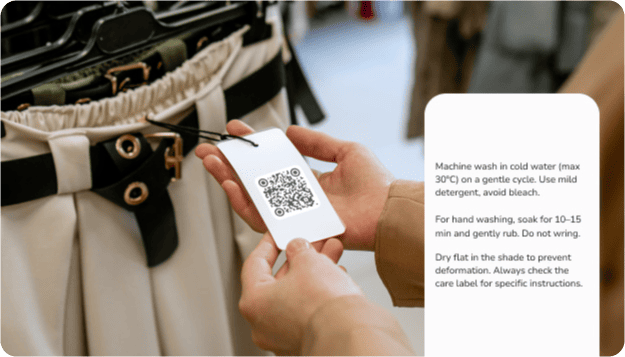
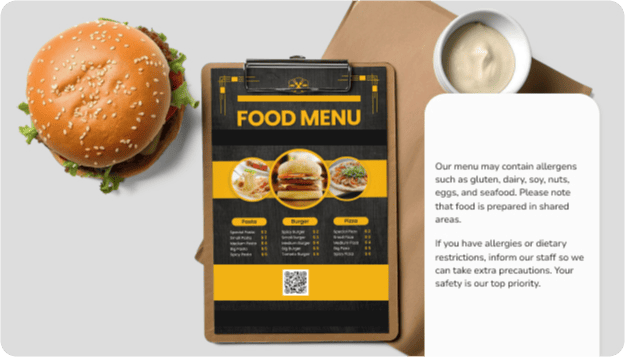
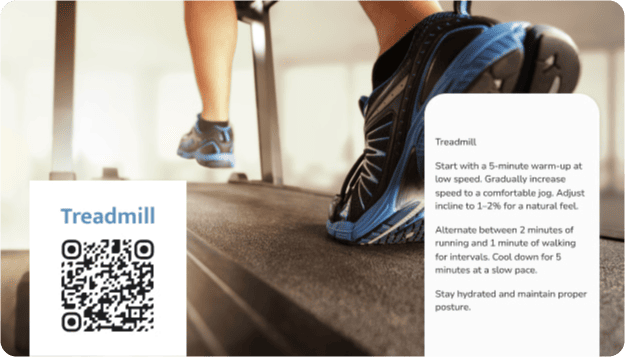
This type of QR solution can be adapted to countless business scenarios, making communication faster and more efficient. Here are practical examples of how you can put them to good use in your business:


QRNow data insight: Text QR codes are most commonly used by small businesses, which account for 60% of QRNow users in this category. The remaining 40% are freelancers and independent professionals who rely on quick and easy ways to share information.
By sector, 40% of usage comes from individual operators. Art, Culture and Media account for 20%, Professional Services and Consulting represent another 20%, and Technology makes up the final 20%. In each of these areas, text QR codes provide a simple way to share instructions, short notes, or key details without sending users to an external website.
Based on aggregated and anonymized QRNow customer usage data collected in 2025.
How To Encourage Scans With the Right Text QR Code
Using QR codes effectively isn’t just about sharing information, but about giving people a reason to scan. When used strategically, they can drive engagement and improve how users interact with your content.
Below are practical tips to help you encourage more scans and deliver value instantly.
-

Offer something useful right away
People are more likely to scan when they know they’ll get immediate value. Use your QR code to provide helpful information like quick instructions, passwords, or important details that solve a need instantly without requiring extra steps.
-

Keep the message short and easy to read
Users are less likely to scan if they expect a long or confusing block of text. Keep your message concise, clear, and easy to read on a mobile screen so users can quickly understand and act on the information.
-

Deliver exclusive information
Create a sense of value by offering content users can’t access elsewhere. This could be bonus instructions, a private note, or extra details. When people feel they’re getting something unique, they’re more motivated to scan.
-

Prioritize information that benefits from offline access
Use text QR codes for details users may need even without internet, such as access instructions, emergency notes, basic troubleshooting steps, or short product-use reminders.
Best Practices for Creating QR Codes for Text
Creating and using text QR codes effectively can improve how you share information with your audience. However, if you’re not careful, it can have the opposite effect. Below are some key practices to follow and others to avoid.
-
 Test how the text displays on different devices
Always scan your QR code using multiple devices and apps to confirm the text appears correctly. Check for formatting issues, line breaks, or truncated content, especially on smaller screens where readability can quickly become a problem.
-
 Adding long, dense blocks of text
Avoid embedding large paragraphs in your QR code. Most scanners display limited text space, so long messages can feel overwhelming, get cut off, or discourage users from reading the full content.
-
Give the text a clear purpose
Make sure the message has one clear function, such as giving an instruction, sharing a short note, or providing an access detail. Users should immediately understand why the information is useful after scanning.
-
Don’t combine unrelated messages
Avoid using one text QR code to share several disconnected pieces of information, such as a password, a promotional note, and instructions all at once. When the message tries to do too much, users may not understand what action to take after scanning.
-
Place QR codes where context supports the message
Position your code where users naturally expect more information, such as near instructions or product details. This makes the text feel relevant and increases the likelihood that users will scan to learn more.
-
Placing codes without clear context
Avoid adding QR codes randomly without explaining their value. If users don’t understand what they’ll get after scanning, they’re far less likely to engage with the code at all.
-
Match the message to a specific user need
Make sure the text answers a clear question or provides immediate value, such as instructions or key details. When users feel the content is directly useful, they’re more likely to trust and rely on it.
-
Using vague or generic messages
Don’t include text that lacks clear meaning or relevance. Generic messages reduce trust and make users feel the scan wasn’t worth their time, which can discourage future engagement.
Frequently Asked Questions
-
This online tool converts plain text into a scannable QR code.
Simply enter your message and preferred design, and the generator will create a unique QR code that displays the text when scanned. It’s perfect for quickly sharing information like instructions or short notes.
-
The number of characters a QR code can store depends on the generator and format used. On QRNow, text QR codes support up to 300 characters.
It’s best to stay well below this limit to ensure the text displays clearly on all devices. Shorter messages also improve readability and make it easier for users to quickly understand the information after scanning.
-
If the text exceeds the supported limit, the QR code may not generate properly or could fail to display the full message when scanned. Even within limits, long text can appear cramped or difficult to read on smaller screens.
To avoid this, keep your message concise and focused. If you need to share more detailed information, consider linking to a webpage instead.
-
No, text QR codes do not require an internet connection to work. The message is stored directly within the QR code itself, so it appears instantly once scanned.
This makes them a reliable option in offline environments, such as packaging, printed materials, or locations with limited connectivity, where users still need quick access to important information.
-
The text will generally display across all smartphones, but the exact format may vary depending on the device and scanning app used. Some phones show a pop-up, while others display the text within the camera interface.
Line breaks, spacing, or text length may also appear slightly different, so it’s important to test your QR code on multiple devices to ensure consistent readability.
-
It depends on your goal. Text QR codes are ideal for short, instant messages that don’t require internet access. They’re simple, fast, and reliable for sharing basic information.
If you need to share longer content, update information over time, or track performance, a link QR code is often a better choice, as it offers more flexibility and control.
